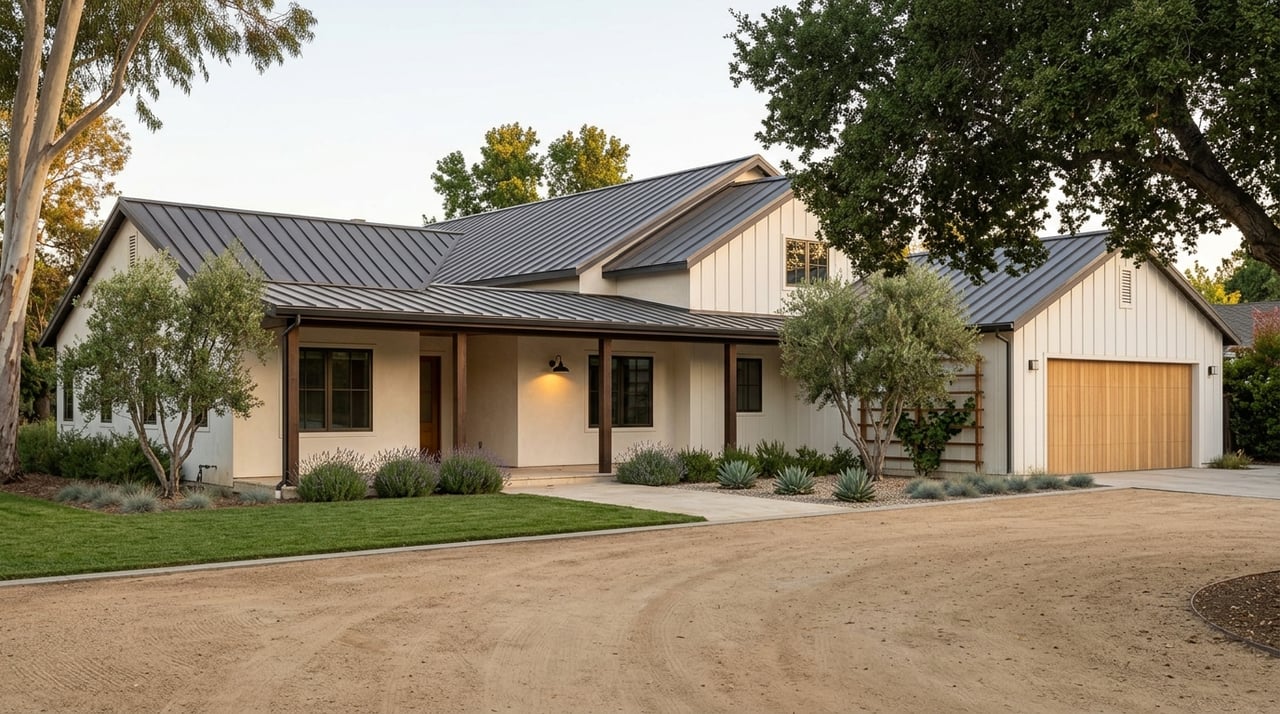
Looking for more space in Temecula can feel simple at first, until you realize that "bigger lot" can mean very different things from one area to the next. You may want more privacy, room for hobbies, space for animals, or just a little breathing room between homes. The good news is that Temecula offers several paths to that lifestyle, and the key is knowing what to compare before you fall in love with a listing. Let’s dive in.
Start With the City Line
One of the biggest factors in finding more elbow room is whether a property is inside Temecula city limits or in an unincorporated Temecula-area community. That distinction affects zoning, code enforcement, and the level of services you can expect.
Temecula’s General Plan notes that the city is made up largely of single-family neighborhoods, but it also identifies Rural Preservation Areas like Nicolas Valley, Temecula Wine Country, and the South Anza Road at SR-79 area. Some of those areas sit outside the current city boundary and fall under county jurisdiction. If you are comparing privacy, lot size, and day-to-day services, that line matters more than many buyers expect.
Know What Creates a Spacious Feel
A neighborhood can feel less crowded for several reasons. It may have larger lot minimums, wider setbacks, lower residential density, or more open-space buffering between homes and roads.
In Temecula, that spacious feel often comes down to zoning and plan area, not just the name used in marketing. The city has 14 Specific Plans, which means two homes with similar price points can offer very different experiences depending on the rules tied to the parcel.
Areas That Often Offer More Elbow Room
De Luz
De Luz is one of the clearest options if you want acreage near Temecula. The De Luz Community Services District covers about 33 square miles on the Santa Rosa plateau west of Temecula and describes the area as primarily agricultural, with much of the land planted in avocados, citrus, and wine grapes.
For you as a buyer, that often translates to a more rural setting, longer driveways, and a stronger sense of separation from neighboring properties. It can be a great fit if you value privacy and land, but it also comes with a different infrastructure profile than a standard in-city neighborhood.
Temecula Valley Wine Country
If your goal is open space with a vineyard and equestrian backdrop, Temecula Valley Wine Country stands out. Riverside County describes it as a unique rural and equestrian community with vineyards, horseback riding trails, stables, and winery uses.
The county’s design standards also reinforce that spacious character. In the Wine Country zone, new parcel and tract maps include a 10-gross-acre minimum residential lot size, along with generous setbacks such as 50-foot front-yard setbacks, 30-foot side and rear setbacks, and 300-foot front setbacks on selected roads. If you want true elbow room on paper, this is one of the strongest area types to study.
Nicolas Valley and South Anza Road Edge
Temecula’s General Plan identifies Nicolas Valley as a large-lot, low-density residential area in the northeast corner of the city. It also says the South Anza Road at SR-79 area near Morgan Hill should preserve rural residential densities with open-space buffers and greenways.
That makes these areas worth a closer look if you want more breathing room without automatically jumping to the most rural option available. They can offer a useful middle ground between a compact tract neighborhood and a full agricultural setting.
Meadowview
Meadowview is a distinct neighborhood in the northern part of the city and is often associated with larger lots. Still, lot size should be verified parcel by parcel rather than assumed from the neighborhood name alone.
That is an important reminder wherever you shop in Temecula. A neighborhood reputation may point you in the right direction, but the actual property details are what tell you whether a home truly fits your goals.
Check the Zoning Before You Decide
If elbow room is high on your list, zoning deserves your attention early. Temecula’s residential zones range from HR and HR-SM at 10 acres, RR at 5 acres, VL at 2.5 acres, L-1 at 1 acre, L-2 at 0.5 acre, down to LM at 7,200 square feet.
That means a home in an LM zone may still be attractive, but it is not considered a true large-lot option on paper. If you are trying to move up from a tract-home feel, understanding those thresholds can save you time and help you compare listings more clearly.
Watch for Specific Plans and Overlays
Some Temecula properties fall under labels like SPI, SP-#, or PDO. When that happens, the city says you need to review the Specific Plan or Planned Development Overlay rules because those districts can have separate requirements.
For you, this matters because the look and feel of a neighborhood may not tell the whole story. A home may sit in an area with rules that shape parking, landscaping, or other development standards differently than a standard residential zone.
Use the GIS Map Like a Buyer Tool
Temecula’s GIS viewer is one of the most practical tools for a space-seeking buyer. You can search by address, APN, street intersection, tract map number or name, or coordinates.
The system also includes layers for zoning, land use, flood plains, fire hazard zones, and environmentally sensitive areas. That makes it easier to see whether a property sits in a tract setting, a specific plan, or a zone that supports larger lot standards.
Compare More Than Lot Size
A spacious lifestyle is not just about acreage. You also want to think about setbacks, topography, road access, neighboring land uses, and whether the parcel layout actually gives you usable outdoor space.
Two homes with the same stated lot size can live very differently. One may offer open usable ground and privacy, while another may have constraints that affect how spacious it feels day to day.
Understand the Tradeoffs
More elbow room usually comes with more responsibility. Temecula says rural preservation areas are characterized by rural development, and that public services and utilities in some of those areas are not built to support urban levels of service.
That does not make those areas a poor choice. It simply means you should weigh the lifestyle benefits against the practical realities of maintenance, access, and service expectations.
Service Levels Can Differ
In De Luz, for example, the community services district provides road maintenance, supplemental police protection, and refuse collection, and it manages 86 miles of public roads. That is useful context if you are moving from a more typical in-city neighborhood.
In unincorporated areas like Wine Country, De Luz, or Morgan Hill, buyers should also expect a different service and enforcement path than they would inside city limits. Riverside County says county code enforcement, not city code enforcement, handles complaints in those areas.
Add Fire Hazard Maps to Your Search
If you are comparing areas with more land and a rural edge, fire-hazard research should be part of your process. Temecula’s Fire Hazard Severity Map page says the city released updated fire-hazard maps on March 24, 2025 using climate, fire-history, land-feature, and wildfire-model data.
The city also notes that local governments cannot lower Cal Fire’s hazard rating. For buyers focused on space, that makes this map a practical comparison tool right alongside lot size and zoning.
A Simple Way to Narrow Your Options
If you want more elbow room in Temecula, it helps to sort neighborhoods into a few broad categories:
- In-city large-lot areas where you may get more room while staying within city services
- Specific plan communities where lot feel can vary widely based on parcel rules
- Rural-edge areas like Nicolas Valley or the South Anza Road corridor that aim to preserve lower density
- Unincorporated acreage communities like De Luz or Wine Country where space is often more dramatic but service patterns differ
This approach keeps you focused on how the property functions, not just how the neighborhood is marketed.
What to Check Before You Write an Offer
Before moving forward on a property, make sure you verify the basics:
- Whether the parcel is inside Temecula city limits or unincorporated county area
- The zoning designation and minimum lot standard
- Whether the parcel falls under a Specific Plan or overlay
- GIS layers for land use, flood plain, fire hazard, and environmentally sensitive areas
- The surrounding area pattern, including nearby roads and adjacent land uses
Temecula also offers formal zoning letters, which can be helpful when you want greater clarity on a parcel’s designation.
Choose the Lifestyle, Not Just the Address
The best Temecula neighborhood for more elbow room depends on what kind of space you actually want. You may be happiest with a large-lot city neighborhood, or you may prefer the broader separation and rural character found in Wine Country or De Luz.
Either way, the smartest move is to look past the neighborhood name and study the zoning, jurisdiction, and property context. That is how you find a home that feels spacious not just on listing day, but in everyday life.
If you want help comparing Temecula neighborhoods, acreage options, or rural-edge properties, Erin Archibek Mills can help you evaluate the details that matter most and guide you toward the right fit.
FAQs
What does unincorporated Temecula mean for homebuyers?
- It means the property is outside Temecula city limits and may fall under county rules, county code enforcement, and different service patterns than homes inside the city.
Which Temecula-area locations often offer more elbow room?
- Areas that often provide a less crowded feel include De Luz, Temecula Valley Wine Country, Nicolas Valley, the South Anza Road at SR-79 area, and some larger-lot sections of Meadowview.
How can Temecula buyers verify if a lot is truly large?
- You can check the parcel’s zoning, lot standards, and map layers through the city’s GIS viewer, then confirm whether the property is in a standard zone, a Specific Plan, or an unincorporated area.
Why does zoning matter when choosing a Temecula neighborhood?
- Zoning helps show the minimum lot standards and development pattern for the area, which affects how much separation, privacy, and usable outdoor space you may actually get.
What should buyers check besides lot size in Temecula?
- You should also review setbacks, surrounding land use, road access, fire hazard zones, and whether the parcel is inside city limits or under county jurisdiction.